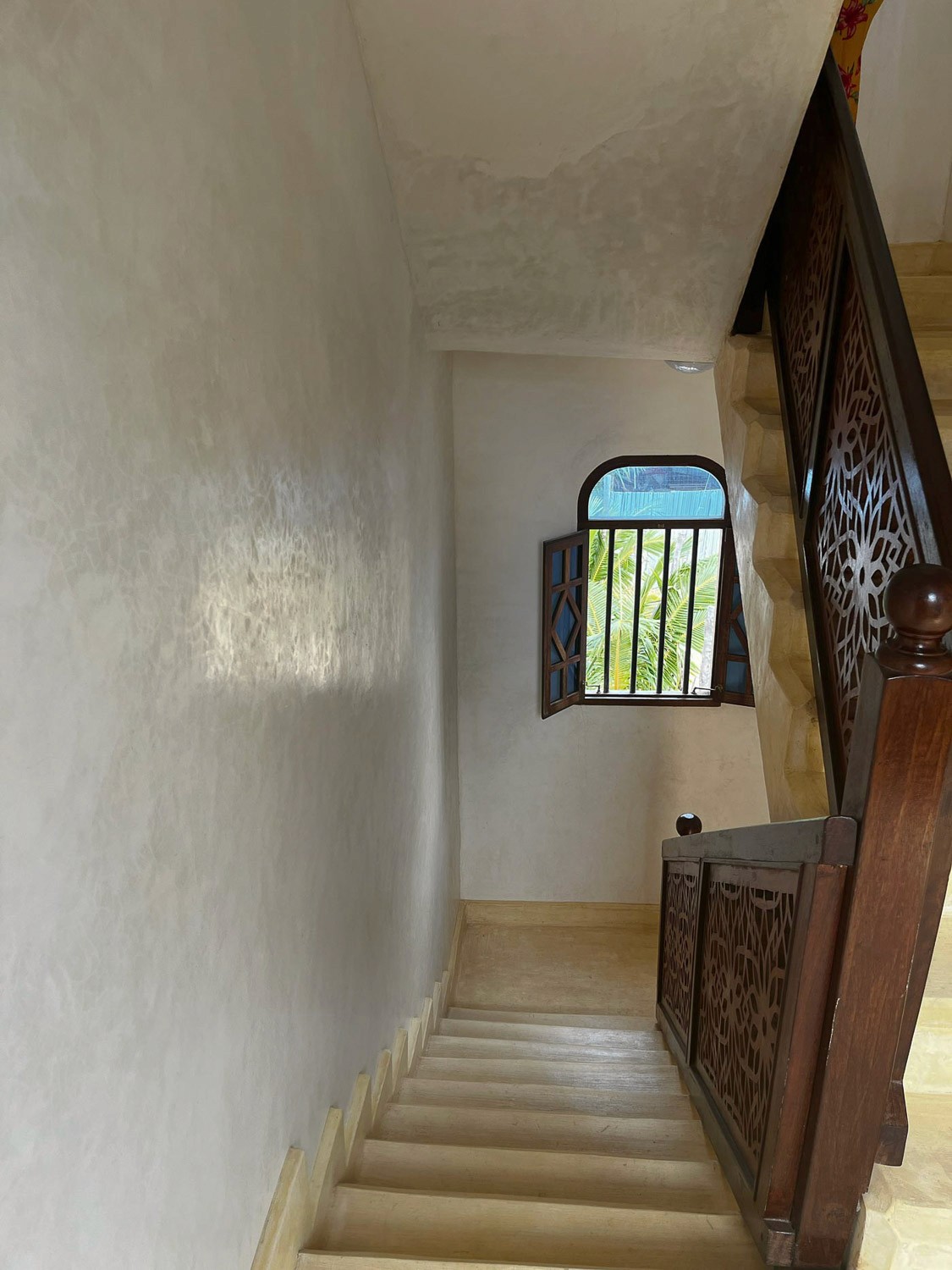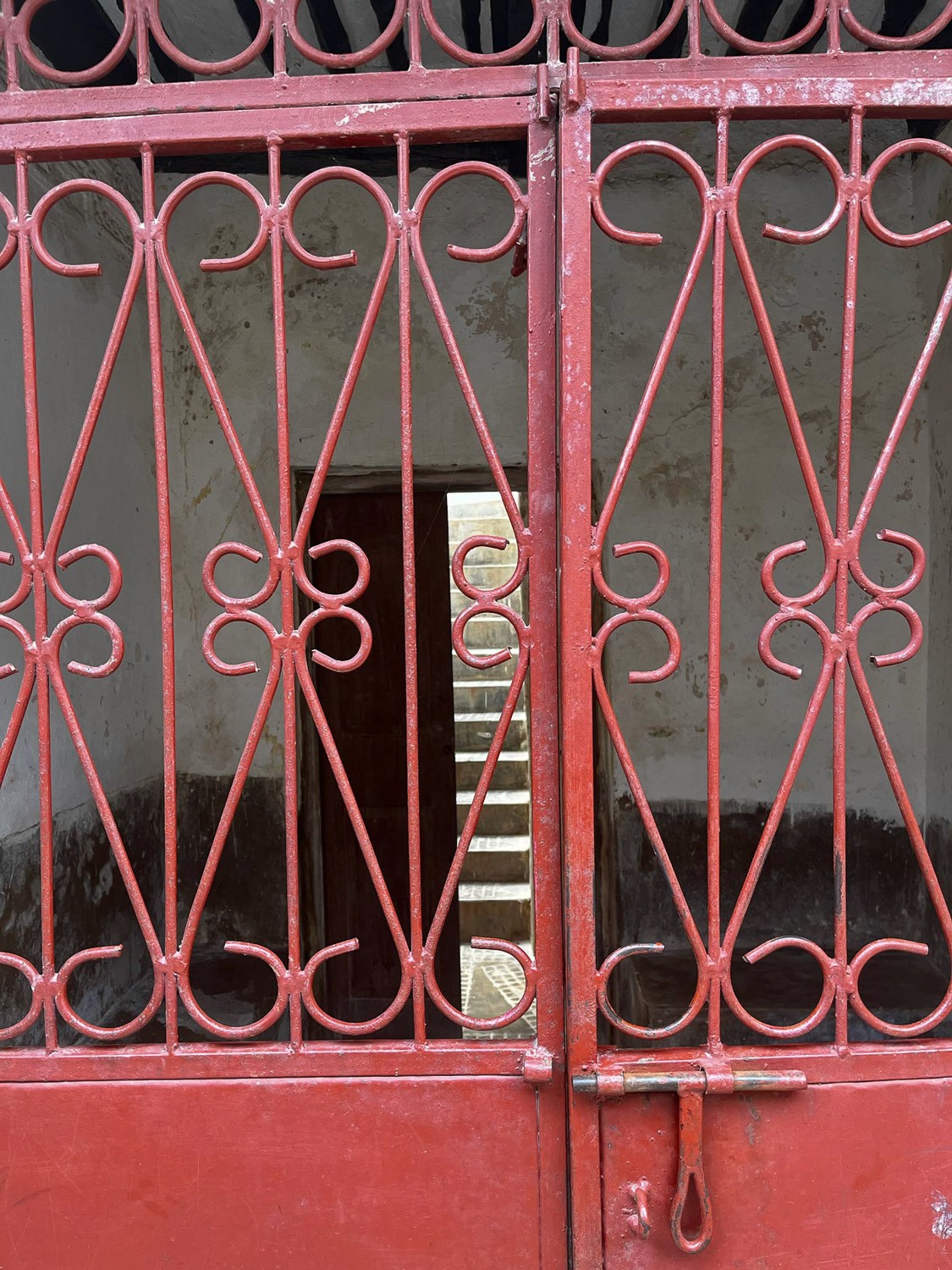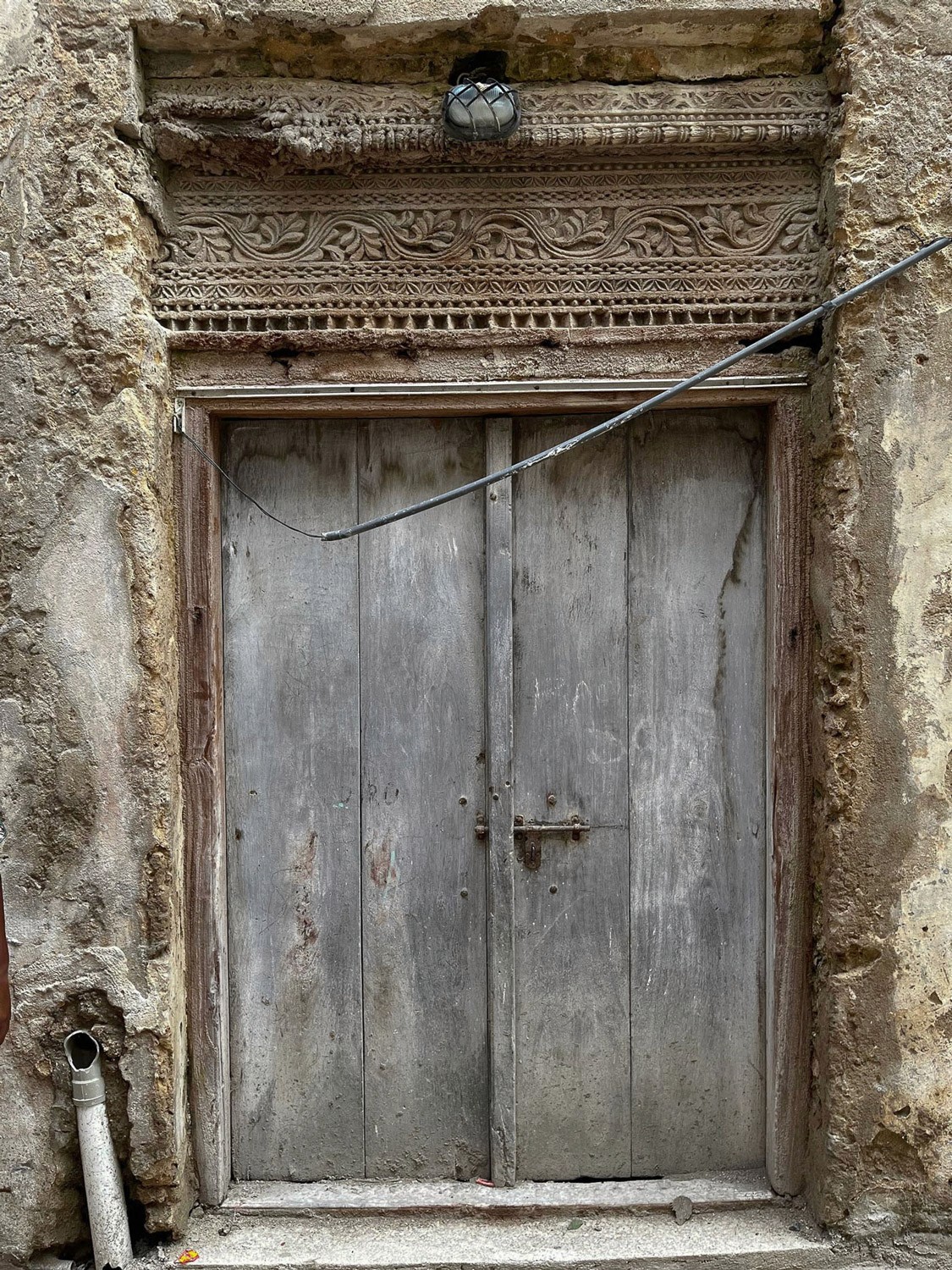
Our stories are rooted in observation and experience, not to speak for a place, but to share how it speaks to us.
Karibu Nyumbani means “Welcome Home” in Swahili. As an independent publishing house, we explore Africa’s coastal heritage through cultural interpretation and spatial storytelling. Our work is rooted in creating collectible editions that invite immersion, reflection, and presence. Our editions are editorial spaces to dwell in, like a home, layered with memory and meaning.
Guided by a philosophy of intentional living, we embrace the ethos of home as sanctuary, a place where belonging is created and cultivated.
Karibu Nyumbani was sparked by a long-held interest in travel and design. A recent trip to the Swahili coast reawakened my intrigue for cultural heritage. This journey led to a desire to delve deeper into coastal living across Africa, tracing the places, histories, and everyday practices, turning an eye toward the stories that have yet to be written.
As a Kenyan-American, I am drawn to the stories embedded in the coastal spaces that define the continent’s edges and continue to guide our editorial path.
Home is the most intimate space we inhabit, an archive of emotions, customs, and cultural connections. At Karibu Nyumbani, we approach home as an evolving idea, shaped by origin, migration, memory, and transience. Through spatial storytelling and cultural interpretation, we explore how belonging is created, sustained, and reimagined across each threshold.
Anchored in placemaking, we ask: how do sensory experiences root us, and what do they reveal about living with more intention? From this perspective, we turn to Africa’s coastal destinations, connected to my own heritage and diasporic lens, as sites of layered heritage and continuity, offering a space for ongoing exploration and reflection.
My first experience of coastal Africa was a trip to Mombasa, on the Kenyan coastline. I was drawn to the Swahili architecture and felt a deep connection. Some places speak to you, through their streets, landscapes, sounds, and tastes. Coastal places are particularly compelling because they are often spaces shaped by trade and cultural exchange reflected in the architecture, customs, and cuisine. The coast is a natural setting to explore how people shape a place as much as they are shaped by it.
I studied architecture because I wanted to impact people’s quality of life. My career has always centered on how design shapes the way we live, work, and ultimately find belonging. Architecture has the power to influence how communities are designed, how people use resources, and how people engage. It is a reflection of a society’s values, beliefs, and power dynamics. I consistently found myself asking: How do people experience space? How do people feel in a space? How can design create a certain sensory or emotional experience?
This underlying desire led me to create Nyumbani magazine, a biannual cultural edition that explores distinct coastal destinations in Africa through spatial storytelling. Each issue is designed as a collectible editorial object, an artifact that translates heritage into lived experience.
Karibu Nyumbani is the convergence of everything I’ve learned: how to appreciate beauty in details, how to create spaces of comfort, and how to tell stories that connect us to place. Through our magazine and select editorial objects inspired by it, we translate these encounters into collectible artifacts that carry cultural depth into intentional living.
At its core, Karibu Nyumbani is driven by the belief that Africa’s coasts belong among the world’s great luxury destinations, firmly rooted in the global imagination
As a publishing house, we aim to share the textures, spatial storytelling, and sensory expressions of Africa’s coasts, and invite others into a slower, more intentional way of seeing and living.
Welcome home.
- Wanja