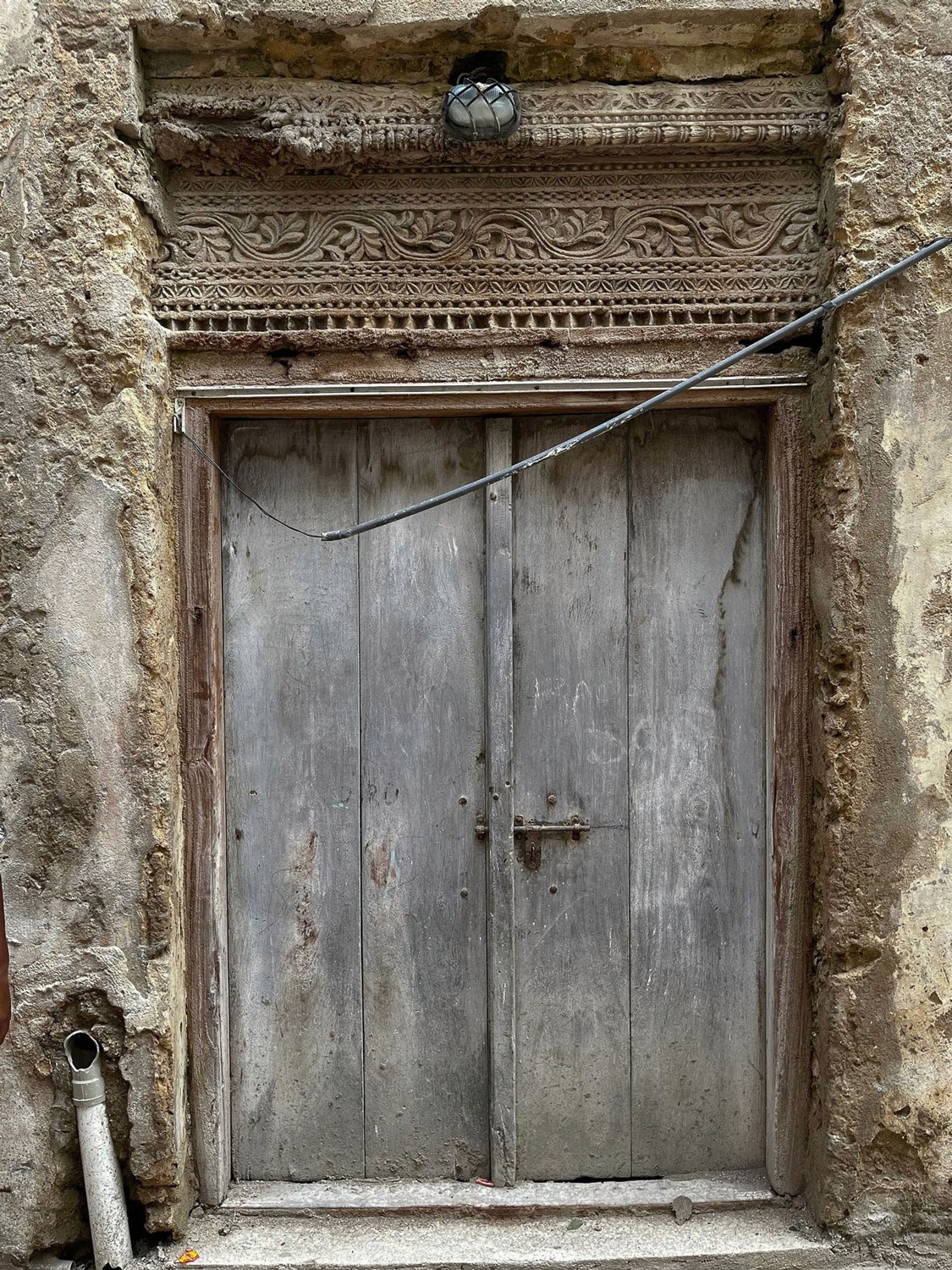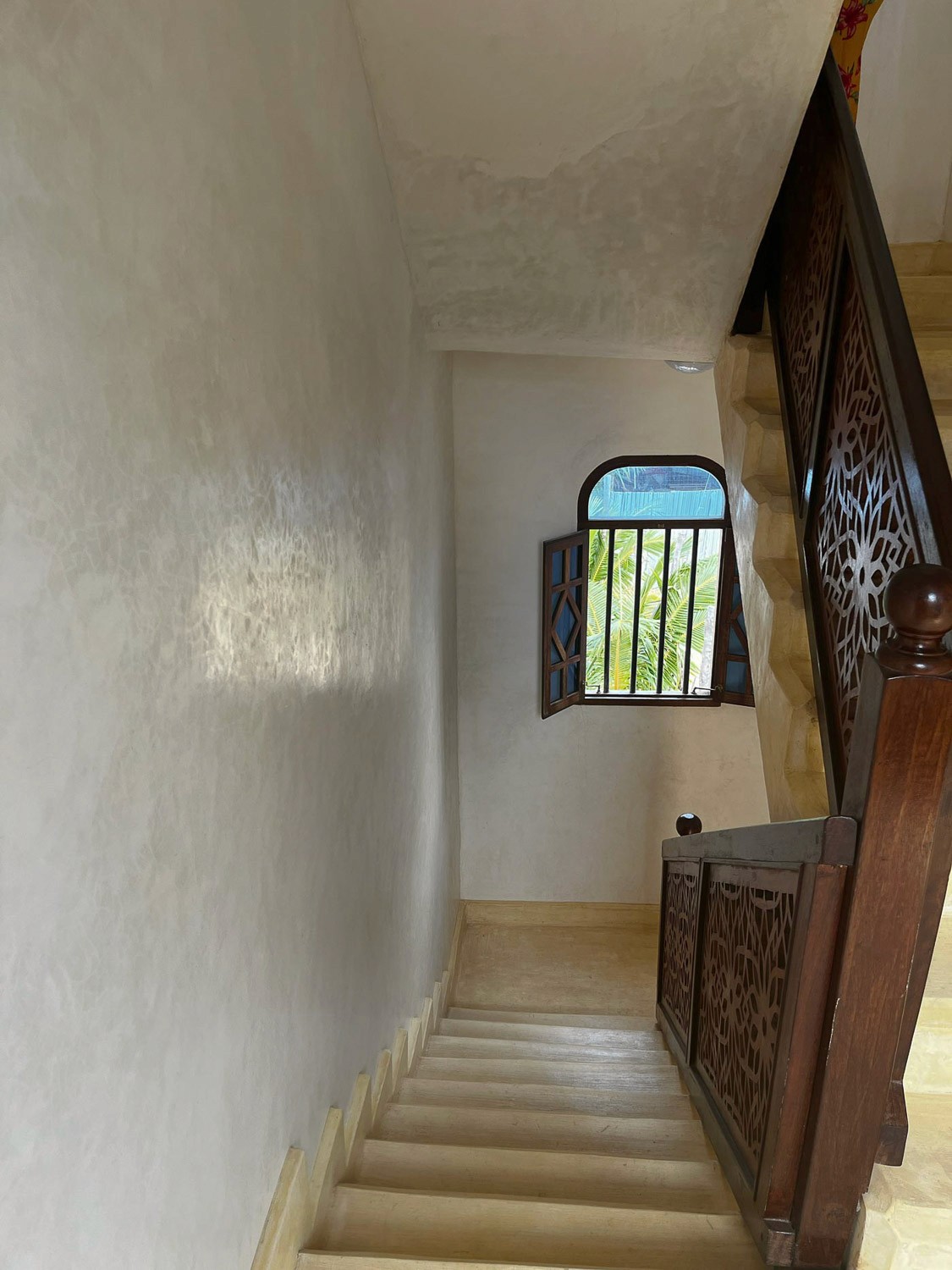
Coastal places have always been places of intrigue, where the connection between people, water, and maritime culture creates layered narratives.
When most people think of coastal living, inevitably, they picture palm trees, white sands, and turquoise waters. Perhaps even a hammock swinging in the breeze. We venture to dig deeper into the notion of coastal living.
Shorelines mark the arrival and exodus of people. They can be places of welcomed splendor or, as history has revealed, places of invasion and conflict. Each place is complicated, layered, and honors its unique rhythm.
Coastal living is defined by the communities, practices, nature, and ecosystems that these places hold. For us, it is a continual exploration of what spaces quietly reveal about belonging.
The embodiment of this legacy of coastal African places is what we interpret as cultural heritage. Our vision of coastal living is not just about aesthetics, but about experiences, moments that engage the senses and shape how we feel. From the physical landscape to the aroma of local dishes, we want to tap into the textures, colors, and scents that define a place. Each destination brings a fresh perspective: a new scent, an unexpected hue, a masterful texture.
Design is the lens through which we experience these places. Spatial storytelling is the method through which we share them. The interplay of space and heritage offers a textural lens on belonging, one that invites a slower, more intentional way of life.
Stories and visuals are our medium for exploring the cultural and architectural heritage of Africa’s coasts. Through Nyumbani magazine, these explorations become collectible editorial editions, artifacts designed to celebrate and revere the vitality of place.